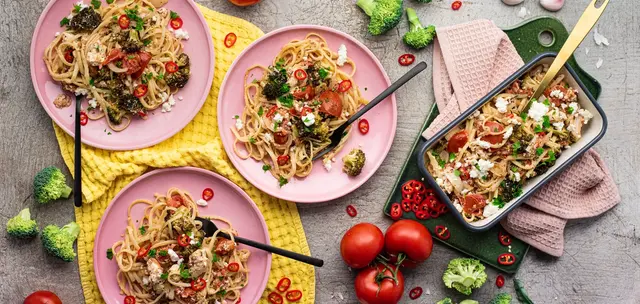
What is a pescatarian diet? Eating fish instead of meat

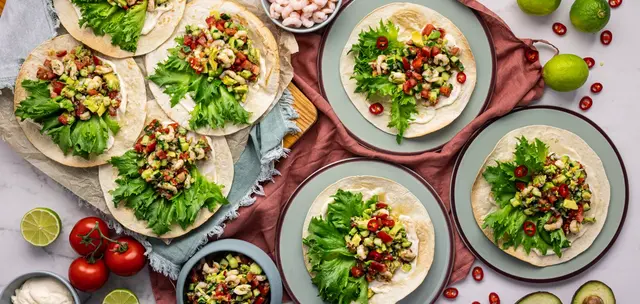
A pescatarian diet is a vegetarian diet that also includes fish and seafood. Meat and poultry are left out, while eggs and dairy usually stay. Many people arrive at it when they want to eat less meat but are not ready to give up fish. It is also different from a flexitarian diet, where meat is still eaten now and then.
Put together well, a pescatarian diet is varied and easy to fit into an ordinary week. This guide covers what to put on your plate, how often it makes sense to eat fish and where your protein comes from on the days without it.
What pescatarians eat and avoid
The foundation is the same as for vegetarians: vegetables, fruit, berries, wholegrains, beans and lentils, nuts and seeds. On top of that come fish and seafood such as salmon, herring, cod, prawns and mussels. Beef, pork, lamb and poultry are left out. Many people also avoid products made with meat stock or gelatine, so it pays to read the ingredient list on ready meals.
Why people choose a pescatarian diet
Fish is a particularly good source of omega-3 fatty acids and vitamin D, and it is rich in protein. The beneficial fats in fish are linked to a lower risk of heart and circulatory disease. Another common reason is the environment: replacing red meat with fish and vegetables makes a diet lighter on several measures. The third reason is practical. Keeping fish on the menu makes the change smaller than going straight to vegetarian food. If you want to go one step further towards plant-based eating, read our guide to eating more plant-based in small steps.
How often to eat fish
Nutrition guidelines in the Nordic and Baltic countries generally recommend eating fish two to three times a week and varying the species. So even a pescatarian does not need fish every day. It is enough that fish meals appear regularly and the rest of the week is built on plant protein.
Some fish are best eaten in moderation. Large predatory fish such as pike, tuna and swordfish can accumulate more mercury, and large fatty fish from the Baltic Sea can contain more dioxins. Young children and anyone pregnant or breastfeeding should follow their local food authority's advice. Farmed salmon and trout are easy everyday choices.
Checklist for a pescatarian week
Lock in the week's fish meals first, for example Tuesday and Friday.
Rotate species: salmon, cod, trout, mackerel and sardines each bring different nutrients.
Build the other days around beans and lentils, eggs, tofu and dairy.
Keep tinned fish in the cupboard and fish fillets in the freezer for quick evenings.
Check stocks and gelatine in ready meals and sauces, as they can be made from meat.
Fish is cooked when it turns opaque all the way through and flakes easily.
Choose responsibly caught or farmed fish, for example with an MSC or ASC label.
Where protein comes from on the other days
When fish is on the plate two or three times a week, protein on the other days comes from plant foods and dairy. Good sources include beans, lentils, chickpeas, tofu, tempeh, eggs, quark, cottage cheese and cheese. Nuts and seeds round things out. Eating pulses regularly also gives you plenty of fibre. For more ideas, see our guide to protein-rich everyday foods.
The cheapest way to keep fish in your diet is often tinned and frozen fish. Tuna, sardines and mackerel keep in the cupboard for a long time, and frozen fillets thaw overnight in the fridge, ready for the next day's dinner.
Easy fish dinners for weeknights
Weeknights call for dishes where the fish and vegetables cook at the same time. Tray baked salmon with root vegetables, fish soup, prawn pasta or fish tacos are ready in about half an hour. A good example is a Greek style baked salmon with feta and roasted vegetables. For more inspiration, browse our fish recipes on our site.
Three simple tips for cooking fish
Pat the fillet dry before frying so the surface browns nicely. Cook the skin side first and turn it only once. In the oven, fish is done when the flesh is opaque all the way through and flakes easily with a fork.
Build a balanced plate
A pescatarian meal follows the same principle as any everyday dinner. Half the plate vegetables, a quarter fish or plant protein and a quarter wholegrains or potatoes. That keeps the meal filling and nourishing without counting anything. For detailed guidance, read our guide to the plate model in practice.
A pescatarian diet needs no special products or careful tracking. Once the week's fish meals are planned ahead and the cupboard holds pulses, tinned fish and eggs, weekdays run smoothly and there is plenty of variety on the plate.
Fish and veg without the planning
Pick the fish and vegetarian dishes from the Ruokaboksi weekly menu and get pre-portioned ingredients and recipes delivered to your door.