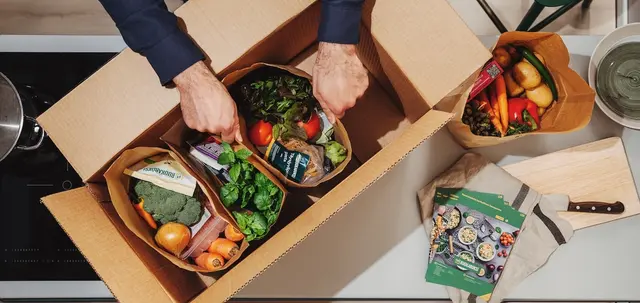
Vegetable cooking times: cauliflower, broccoli and green beans

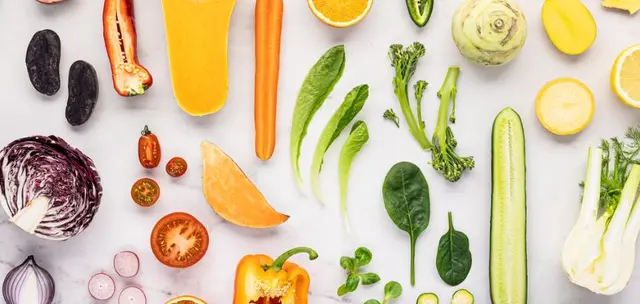
Cauliflower, broccoli and green beans are some of the easiest vegetables for everyday cooking, but timing makes all the difference. A couple of minutes too few and they are hard and taste raw. A couple of minutes too many and you get a watery, greyish side dish that smells of cabbage.
In this guide we have gathered cooking times for these three popular vegetables, whether you boil, steam or roast them. The times are a guide only, because the size of the pieces, the freshness of the vegetables and your own hob all affect the result. That is why we also explain how to tell when a vegetable is done without a timer.
Cooking times at a glance
Cauliflower florets are tender in boiling water in about 5 to 10 minutes and in a 200 °C oven in about 20 to 25 minutes. Broccoli florets are quicker: about 3 to 5 minutes in water and about 15 to 20 minutes in the oven. Boil green beans for about 10 minutes to keep some crunch, and roast them at 220 °C for about 12 to 15 minutes. Steaming takes a little longer than boiling for all three.
Cauliflower: florets or a whole head?
It usually pays to break cauliflower into florets, as pieces of the same size cook quickly and evenly. Remove the leaves, cut out the tough core and rinse the florets in cold water. Boil them in salted water for about 5 to 10 minutes, until the tip of a knife slides into the stem with slight resistance. A whole head takes about 20 minutes in the pan.
In the oven, cauliflower turns nutty and sweet with golden edges. Toss the florets in oil and spices and roast them at 200 °C for about 20 to 25 minutes. A whole roasted head needs 45 to 60 minutes depending on its size. For a weeknight version, try oven roasted cauliflower wings, or browse our cauliflower recipe collection.
Broccoli: stems first, florets after
Broccoli florets cook faster than the stem. Peel the tough outer layer of the stem and slice it thinly so it is ready at the same time. If you cook broccoli in larger pieces, put the stems in the pan first and add the florets a few minutes later. Small florets are done in boiling water in about 3 to 5 minutes.
Roasting broccoli crisps the edges of the florets and deepens the flavour. Small florets are ready at 200 °C in about 15 to 20 minutes. Roasted broccoli works as a side, in salads and in pasta, such as a pasta with roasted broccoli and hummus. You will find more ideas in our broccoli recipe collection.
Green beans: always cooked
Raw green beans contain lectins that can upset your stomach, so always cook fresh beans, even when they are going into a salad. Snap off the ends, rinse the beans and boil them in salted water for about 10 minutes so they stay crisp. For softer beans, give them another 2 to 3 minutes.
In the oven, green beans roast at 220 °C in about 12 to 15 minutes. They go well with meat, chicken and fish and in warm salads. Try them alongside a steak or roast chicken, for example.
7 tips for perfect vegetable sides
Cut the pieces to the same size so they cook evenly and finish at the same time.
Start the timer only once the water is boiling again after adding the vegetables.
Salt the cooking water so the vegetables are seasoned as they cook.
A splash of lemon juice in the water keeps cauliflower white and tones down the cabbage smell.
If you are not serving green vegetables straight away, cool them in cold water after cooking to keep the colour bright.
Dry the vegetables before roasting and spread them out on the tray so they roast rather than steam.
Blanch vegetables for the freezer briefly, about 3 minutes for green beans, cauliflower and broccoli, then cool them at once in iced water.
Boil, steam or roast?
The cooking method affects flavour, texture and nutrients. Water soluble vitamins such as vitamin C leach into the cooking water. In a study published in 2013, broccoli lost about 55 per cent of its vitamin C when boiled for 5 minutes, about 28 per cent in the microwave and only about 14 per cent when steamed.
Boiling is still quick and easy. Use little water, do not overcook the vegetables and use the cooking water in a soup or sauce. Steaming keeps colour and texture best, while roasting adds the most flavour because the surface of the vegetables caramelises.
How to tell when vegetables are done
The best test is the tip of a knife or fork. A cooked floret or bean gives way but still feels slightly firm. Green vegetables should be bright. If broccoli or beans turn olive green and the cabbage smell gets stronger, they have cooked too long.
Remember carryover cooking too. Hot vegetables keep softening for a moment after you take them out of the pan, so lift them off the heat just before they are fully done, or cool them in cold water if you are serving them later.
A finishing touch turns a side into a treat
Well cooked vegetables need very little: salt, lemon, good oil or butter. A quick and tasty finish is brown butter, which is especially good with cauliflower and broccoli. See our guide to brown butter.
Cauliflower and broccoli are also delicious baked with cheese or served with a cheese sauce, and our basic cheese sauce recipe helps keep it smooth. Once you have the timing right, vegetables easily become the best part of a weeknight meal.
Vegetables on the plate without the guesswork
Our boxes bring pre-measured ingredients and step by step recipes to your door, with clear cooking times for every vegetable.