Types of apples: which to choose for baking, cooking and snacking

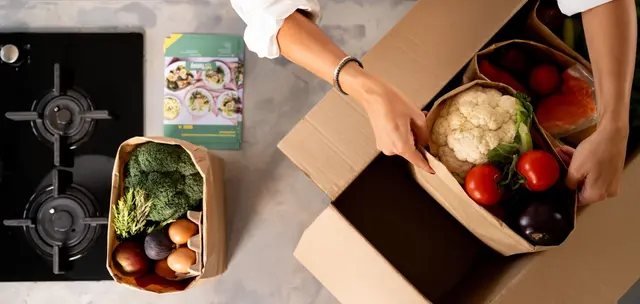
Autumn is apple season. The fruit aisle can hold ten or more varieties at once, and they differ more than their skins suggest. One apple is crisp and sweet, another tart and firm, a third collapses into a soft purée as soon as it is cooked. When you know what each variety is good for, your pie filling keeps its shape, your salad stays fresh and your snack tastes just right.
In this guide we look at how apple varieties differ, which are the most common ones in shops, which apples suit baking and which suit cooking, and how to store apples so they keep as long as possible.
Sweet, tart, firm or soft?
It helps to compare apples on two scales: flavour and texture. Flavour runs from sweet to tart, and the best apple is often a mix of both. Acidity adds freshness, especially in baking, where sugar would otherwise mask the apple flavour.
Texture decides what happens when you cook it. A firm, dense apple keeps its shape in the oven and the pan, so it suits pies, bakes and savoury dishes. A soft, mealy apple breaks down quickly, which is exactly what you want for purée, jam and juice. For eating raw, crunch and juiciness matter most.
Summer, autumn and winter varieties
Apples are roughly divided into summer, autumn and winter varieties. Summer apples ripen early, soften quickly and do not keep for long, which makes them ideal for purée and compote. Autumn apples are harvested in early autumn and are best eaten fresh.
Winter apples are at their best after a short period of storage and keep the longest. Alongside local apples, shops sell imported varieties all year round, and we introduce the most common ones below.
Autumn is a great time to try other seasonal produce too. If squash interests you, read our guide to types of squash.
7 common apple varieties and how to use them
Granny Smith: green, tart and firm. Holds its shape in a pie and works well in salads.
Jonagold: sweet, tart and juicy. Good for baking and snacking, but it does not store for long.
Braeburn: firm with a fresh sweet and tart flavour. A versatile apple for the oven and for snacking.
Golden Delicious: mild and sweet. It softens when cooked, so it suits purées and jams.
Gala: sweet, mild and crisp. Best eaten raw and as a snack for children.
Pink Lady: crisp, sweet and tart. Good in salads, on a cheese board and as a snack.
Elstar: aromatic and tangy. Works well for baking, compote and apple purée.
Which apples are best for baking?
For apple pie and crumbles, choose a firm apple that holds its shape, such as Granny Smith, Braeburn or Jonagold. Many bakers combine two varieties: a tart, firm apple for structure and a sweeter one for a rounder flavour. If you are making apple purée, jam or juice, pick a softer variety that breaks down easily, such as Golden Delicious or a summer apple.
Apples in savoury dishes
Apples are not just for dessert. Their sweetness and acidity balance creamy sauces and work especially well with chicken and pork. Try our chicken in an apple cream sauce or an autumn favourite, a French style chicken stew with apples. For cooked dishes, choose a firm and slightly tart apple that will not dissolve into the sauce.
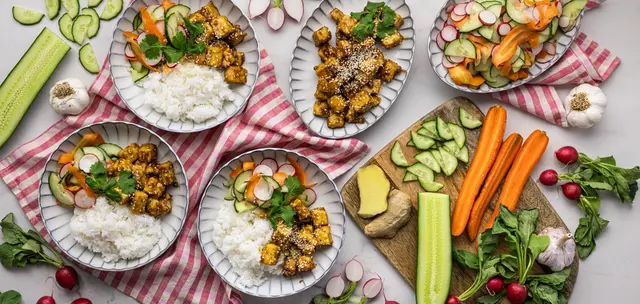
Raw apple adds crunch and freshness to salads. Thin slices work in coleslaw, with cucumber, or alongside cheese and nuts. A good example is satay tofu with an apple and cucumber salad. You will find more ideas among our salad recipes.
How to store apples
Apples keep longest in the vegetable drawer of the fridge. At room temperature they stay good for about a week, in the fridge for several weeks. Keep them apart from other vegetables, though, because apples release ethylene, which speeds up ripening in other produce and can spoil delicate leaves such as lettuce. You will find more tips in our guide to storing food in the fridge.
If you see small brown pits in the skin, it is often bitter pit, a disorder caused by a lack of calcium while the fruit grows. The apple is still safe to eat and you can simply cut the brown spots away.
How to stop apple slices from browning
Cut apple turns brown when its surface reacts with oxygen in the air. To slow this down, dip the slices briefly in water with a couple of tablespoons of lemon juice per litre. Slices treated this way stay pale for a few hours, which is handy for lunch boxes. The same trick works for avocado, which we cover in our article on how to store avocados.
Apple nutrition in brief
Apples are mostly water, and 100 grams of raw apple with the skin contains roughly 50 kilocalories. Apples contain fibre, and much of it sits in the skin, so there is no need to peel them without a reason. An apple is an easy way to add more fruit and vegetables to your day.
Apples in everyday dinners, no extra shopping
Our boxes bring pre-measured ingredients and step by step recipes to your door, including autumn dishes where apple meets chicken, salads and creamy sauces.