Types of tofu: which one to choose and how to cook it


Tofu is one of the most versatile protein sources in an everyday kitchen, yet many people have been disappointed by it at least once. Tofu that falls apart in the pan, tastes watery or bland is rarely the ingredient's fault, though. Usually the wrong type of tofu ended up in the shopping bag, or firm tofu went into the pan straight from the pack.
In this guide we look at what tofu is made from, how the different types differ, which tofu suits which dish and how to make it crispy. Finally we explain how to store opened tofu and why freezing can even improve it.
What is tofu made from?
Tofu is made from soybeans. The beans are soaked, ground with water and strained to make soy milk. A coagulant is added to the hot soy milk, most often calcium sulphate or magnesium chloride, also known as nigari. The coagulant sets the protein, and the curds are pressed into a mould. The more liquid is pressed out, the firmer the tofu.
The method is old: tofu has been made in China for more than 2,000 years and spread from there to the rest of Asia. Tofu itself tastes very mild, so it takes on the flavour of sauces, marinades and spices. That is exactly why the same ingredient works as well in a curry or a soup as in a crispy stir fry.
Types of tofu from softest to firmest
Tofu is usually divided into five groups by firmness. Silken tofu is almost custard like and does not hold its shape, so it is best blended into soups, sauces, smoothies and desserts. Soft tofu is slightly denser but still delicate, and it suits miso soup and other broths.
Medium tofu works in simmered dishes, while firm and extra firm tofu stand up to frying, the oven, the grill and the wok. Firm tofu is the most common choice and also the easiest for beginners. The types are not interchangeable: silken tofu falls apart in a pan, and firm tofu gives a smoothie a grainy texture.
Smoked tofu, marinated tofu and other specialities
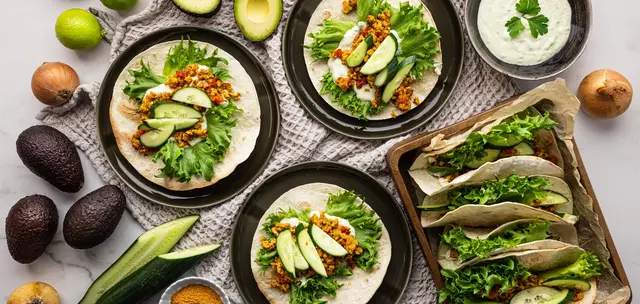
Besides plain firm tofu, shops also sell ready flavoured versions. Smoked tofu has a strong, slightly bacon like flavour, so it can go straight into salads, pasta and soups. Try a spicy pasta with smoked tofu. Marinated tofu comes already seasoned and is quick to add to a stir fry or a wrap.
In Asian grocery stores you will also find fried tofu pouches, used for Japanese inari sushi, and tofu skin, known as yuba. They are fun to try, but for everyday cooking firm, silken and smoked tofu will cover almost everything.
7 tips for choosing and handling tofu
Choose firm or extra firm tofu for frying and stir fries.
Use silken tofu in soups, sauces, smoothies and desserts.
Press firm tofu for 15 to 30 minutes before frying.
Marinate after pressing, when the tofu soaks up flavour better.
Toss the cubes in a thin layer of cornflour for a crisp surface.
Fry in a hot, uncrowded pan so the tofu browns instead of steaming.
Keep opened tofu in water in the fridge, change the water daily and use it within a few days.
How much protein is in tofu?
The nutritional content of tofu varies a lot with the type and the coagulant. Silken tofu typically has about 5 grams of protein per 100 grams, firm tofu usually between 10 and 15 grams. Tofu set with calcium sulphate is also rich in calcium. Check the nutrition table on the pack for the exact figures. For more ideas on getting enough protein every day, see our guide to protein rich foods.
How to make tofu crispy
Firm tofu is mostly water, and water is exactly what stops it from browning. So press it for 15 to 30 minutes before frying: wrap it in kitchen paper or a clean tea towel and put something heavy on top, such as a pan or a few tins. The longer you press it, the denser and crispier the tofu becomes.
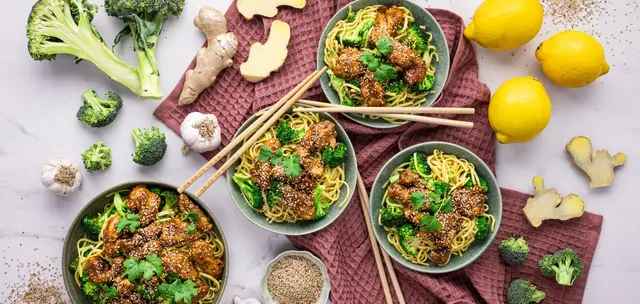
Cut the pressed tofu into cubes and marinate it in soy sauce, ginger and garlic, for example. Just before frying, toss the cubes in a thin layer of cornflour, about a tablespoon per 200 grams. Fry in a hot, uncrowded pan and turn only when the surface is golden. Crispy tofu shines in a Japanese tofu katsu. Add the sauce to the pan right at the end, and homemade teriyaki sauce is perfect for this. A ready example is teriyaki tofu with rice.
Storing and freezing tofu
Keep unopened tofu in the fridge and use it by the date on the pack. Move opened tofu to a clean container, cover it with cold water and keep it in the fridge. Change the water daily and use the tofu within a few days, at the latest within about five. If the tofu smells sour or feels slimy, throw it away.
Firm tofu can also be frozen. As it freezes, ice crystals expand and open up the structure, so thawed tofu is spongy and chewier. It absorbs sauce better than fresh tofu and browns well. Freeze tofu in slices, thaw it in the fridge and press out the remaining water before cooking.
What to use tofu for
Firm tofu suits stir fries, curries, noodle bowls, wraps and pasta. Silken tofu makes creamy sauces and soups without cream. For more ideas, browse our tofu recipes, where you will find dozens of tofu dishes from Asian bowls to curries.
Tofu dinners with the flavour already planned
Our boxes bring the ingredients and step by step recipes to your door, from teriyaki tofu to crispy tofu dishes, so you only need to cook.