Squash types: butternut, hokkaido, spaghetti and courgette


In autumn, vegetable aisles fill up with orange, green and cream coloured squashes. Many people only buy one as a Halloween decoration, yet the same plant family offers sweet, nutty and satisfying ingredients for soups, risottos and oven dishes.
Squashes belong to the gourd family, and the varieties differ in flavour, texture and how long they keep. This guide covers the most common squashes, what each one is best for, and how to store and prepare them.
Summer squash and winter squash: what is the difference?
Squashes fall roughly into two groups. Summer squashes, such as courgettes, are picked young while the skin is still thin and edible. They are mild, juicy and cook quickly. Winter squashes are left to ripen until late autumn. Their flesh becomes sweet and firm, and they develop a hard protective skin that lets them keep for a long time.
The orange colour of winter squash comes from beta carotene, which the body converts into vitamin A. Squash is usually eaten cooked, and cooking also softens the firm flesh.
The most common types of squash
Courgette
Courgette, also called zucchini, is the most familiar squash. You can eat it raw in salads or cut into thin ribbons, but fried, grilled or roasted it turns sweeter. Courgette cooks in a few minutes, so add it to the pan towards the end. You will find more ideas among our courgette recipes.
Butternut squash
Butternut squash is pear shaped, with bright orange flesh that is nutty and slightly sweet. It is the most versatile winter squash: great in blended soups, risotto, roasted vegetable trays and even pies. Its skin is thinner than that of other winter squashes, and it is easiest to peel after roasting.
Hokkaido squash
Hokkaido is a fairly small, bright orange winter squash, sometimes called Japanese pumpkin. Its flesh is firm, so it does not turn watery even with longer cooking. Hokkaido is excellent in soups and purées, or cut into wedges and roasted.
Spaghetti squash
When cooked, the flesh of spaghetti squash separates into thin strands that look like spaghetti. Roast the halved squash in the oven and scrape out the strands with a fork. Serve them as a side or with tomato sauce as a light alternative to pasta.
Carving pumpkin
The large pumpkins carved into Halloween lanterns are edible, but their flesh is usually more watery and milder than butternut or hokkaido. The flesh you scoop out while carving can still go into a soup, and the seeds can be roasted.
How to choose and prepare a squash
Choose a winter squash that feels heavy for its size and has an intact, hard skin.
Courgette is at its best when fairly small, firm and glossy.
Halve a hard squash lengthways and lay the halves cut side down so they stay steady on the board.
Peel the squash with a sturdy knife, cutting from top to bottom, or roast it with the skin on and remove the skin once cooked.
Scoop out the seeds with a spoon. Rinsed and dried seeds can be roasted at 200 °C until golden.
Cut the squash into even pieces so they cook at the same rate.
Taste a small raw piece before cooking. If the squash tastes clearly bitter, do not use it.
How to store squash
A whole, undamaged winter squash keeps best somewhere cool and dry, at roughly 8 to 12 °C. In a cellar or cool pantry, butternut and hokkaido can keep for months. If you have no cool space, put hokkaido in the vegetable drawer or another warmer part of the fridge, where it keeps for several weeks.
Courgettes and cut winter squash belong in the fridge. Cover the cut surface with film or put the pieces in a lidded container and use within a few days. You can also cook and purée surplus squash: the purée freezes well for soups and baking. For the basics, see our guide to freezing food properly.
How to cook squash: roast, simmer or stuff
Roasting is the easiest way to bring out the sweetness of squash. Toss the pieces with oil, salt and perhaps cumin, chilli or thyme, and roast in a hot oven until the edges colour. Roasted squash works as a side dish, in a salad or blended into soup.
In a blended soup, squash pairs well with onion, garlic, ginger and stock. Coconut milk or cream makes it rich, and roasted squash seeds add crunch on top. Browse our soup recipes for more warming ideas, or try a roasted courgette dish with hummus and couscous.
Good to know: bitter taste
Plants in the gourd family can occasionally contain cucurbitacins, which make the flesh taste clearly bitter. They can cause stomach upset, and cooking does not remove them. If a courgette or squash tastes bitter, do not eat it; throw it away.
If you are preparing squash for a baby, follow your local infant feeding advice, as guidance can differ between types of squash.
Squash brings colour to autumn meals
Squash is in season in autumn, when it is widely available and at its best. Choosing ingredients by season often makes food tastier and better value. Read more in our seasonal produce guide.
Autumn flavours without the shopping trip
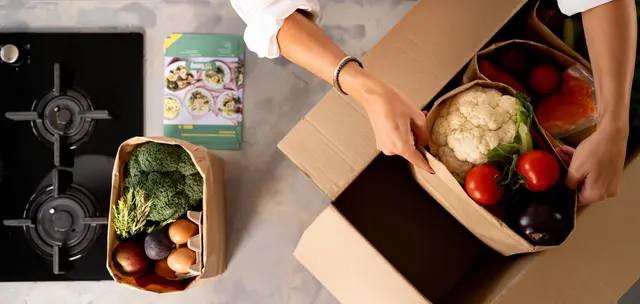
Ruokaboksi brings seasonal vegetables to your door together with recipes that turn them into easy weeknight dinners, with every ingredient measured for the week's meals.