Chow mein vs lo mein: what is the difference and how to make both

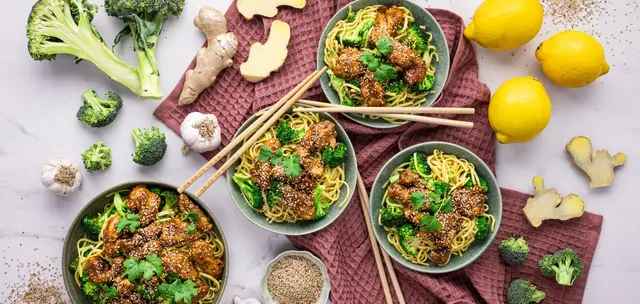
Chow mein and lo mein are classics on Chinese takeaway menus, and on the plate they look almost identical: noodles, vegetables, meat or tofu and a savoury sauce. Yet they are two different dishes. The difference lies less in the ingredients and more in how the noodles are handled and how much sauce goes into the dish.
In this guide we explain what the names mean, which noodles each dish uses, how both are made and which one is likely to suit your taste. At the end you will find tips for getting wok noodles right in a home kitchen, without the fierce flame of a restaurant burner.
What do the names mean?
Both names come from Cantonese. Mein means noodles. Chow refers to frying and stir frying, so chow mein roughly means fried noodles. Lo means to stir or toss, so lo mein means tossed noodles, in other words noodles mixed through a sauce.
The name already tells you the essentials. In chow mein the noodles pick up some colour in the pan, while in lo mein soft noodles are tossed with the sauce and the other ingredients.
Same noodles, different handling
Traditionally both dishes use egg noodles made from wheat flour and egg. They are springy, stand up to tossing and soak up the flavour of the sauce well. At home you can use fresh or dried egg noodles, and thin spaghetti works in a pinch.
The difference starts with how the noodles are prepared. For lo mein the noodles are boiled until tender or nearly tender and added to the pan at the very end. For chow mein the noodles are briefly par boiled, drained and dried thoroughly so they can be fried in oil in a hot pan. Wet noodles do not brown, they just steam.
Chow mein: crispness from the pan
For chow mein the vegetables and protein are fried first in a hot pan, then the dried noodles go in and are fried for longer than in lo mein. Less sauce is used, so the noodles stay drier and get lightly crisp edges. In the Hong Kong style version the noodles are even pan fried into a crisp cake and topped with a saucy stir fry.
Japanese yakisoba noodles are a close relative of chow mein: the noodles are fried with vegetables and seasoned with a fairly light amount of sauce. Try our Japanese yakisoba noodles.
7 tips for perfect wok noodles
Boil the noodles slightly less than the packet says, because they keep cooking in the pan.
Drain the noodles well. For chow mein, let them dry too so the surface can brown.
Toss the drained noodles with a little oil so they do not stick together.
Chop and measure every ingredient before the pan gets hot.
Heat the pan or wok properly and fry the protein and vegetables in batches.
Mix the sauce in a cup beforehand so it coats the noodles evenly.
Add crunchy ingredients such as bean sprouts and spring onion right at the end.
Lo mein: soft and saucy
For lo mein the vegetables and protein are stir fried until crisp tender. Then the sauce and the cooked noodles go into the pan and are tossed just long enough to heat through and coat them in sauce. The result is soft, juicy and saucy. Vegetables such as carrot and snow peas add texture next to the soft noodles.
Lo mein is a good pick if you love plenty of sauce. Our hoisin pork stir fry with noodles follows the same idea, with noodles tossed in a sweet and savoury sauce.
The sauce: same base, different amount
The sauce for both dishes is usually built on soy sauce, oyster sauce or hoisin, sesame oil and a pinch of sugar or honey. Garlic and ginger add a kick. Chow mein usually gets less sauce and lo mein more.
Soy and oyster sauce give food a deep savoury taste, also known as umami. Read more in our guide on what umami is. For a change, a sweeter sauce also works with noodles: see our guide to homemade teriyaki sauce.
What about rice noodles and udon?
The same technique works with other noodles too. Rice noodles are made from rice flour and are used in dishes such as pad thai. They are more delicate than egg noodles, so they usually only need soaking or a short boil and gentle handling in the pan. Thick Japanese udon noodles suit saucy dishes especially well, as their surface holds the sauce. If you follow a gluten free diet, always check the packet, because not all noodles are gluten free.
The most common mistakes
The most common mistake is an overcrowded pan. When too many ingredients go in at once, the temperature drops and the food starts to stew instead of fry. The second is overcooking the noodles, which then break when tossed. The third is adding so much sauce that your chow mein accidentally turns into lo mein. Measure the sauce in advance and add it gradually.
Which one should you choose?
Choose chow mein if you like a fried flavour and a slightly crisp texture, and lo mein if you want soft noodles in plenty of sauce. Both are quick weeknight dinners that can use whatever vegetables are in the fridge, plus chicken, pork, prawns or tofu. For a plant based version, try our Asian tofu stir fry with noodles.
You will find more ideas among our noodle recipes. If you are wondering how many noodles or how much rice to cook, see our guide on portion sizes.
Wok noodles for weeknights, no shopping list
Our boxes bring pre-measured ingredients and step by step recipes to your door, including quick noodle and wok dishes for busy evenings.